Move-In Cleaning Checklist: Clean It While It's Empty
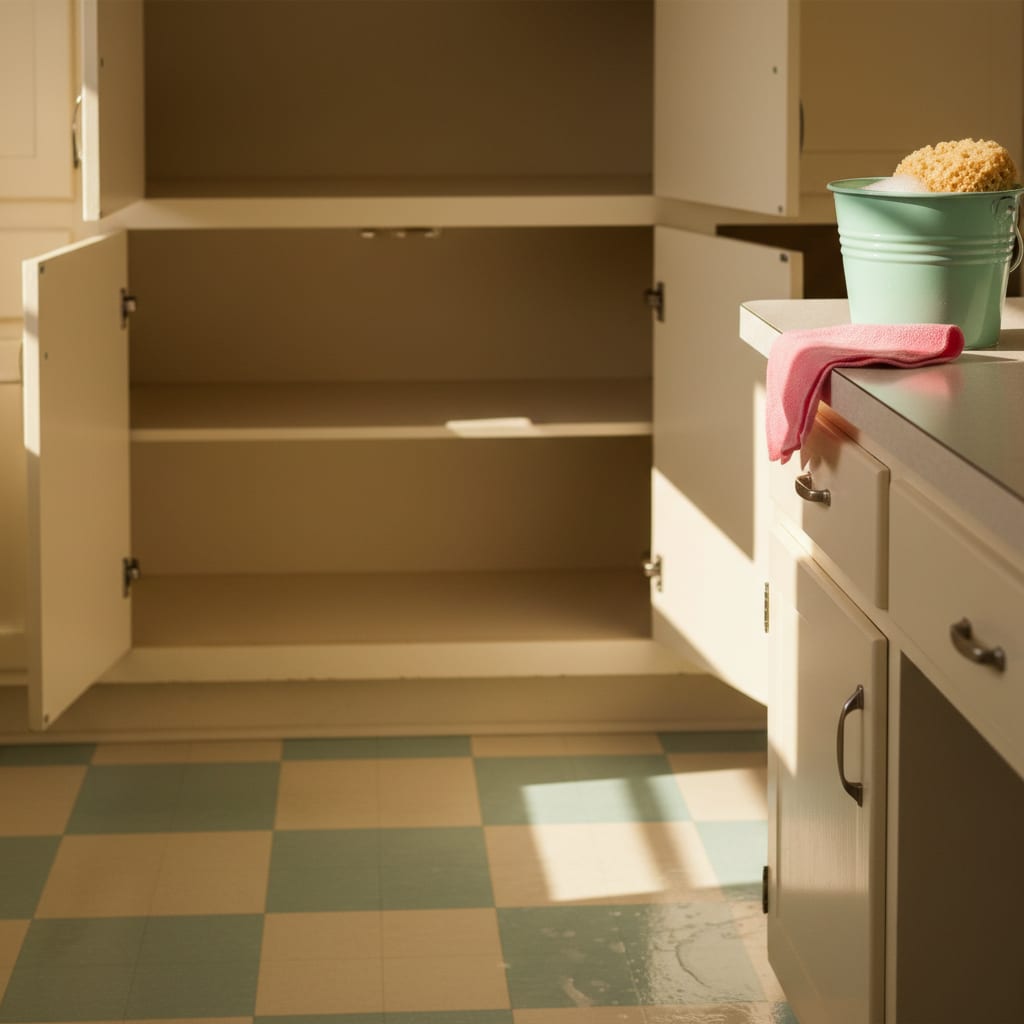
A move-in cleaning checklist works because the house is empty. For one day, every cabinet, closet shelf, drawer and baseboard is in reach, and nothing has to be moved first. Clean in this order: inside everything that stores things, then top to bottom room by room, then the appliances while you can still pull them out, then floors last, edge to edge. Plan on a long day for a small house, or two for a larger one. Do it before the first box comes through the door, because once it does, those surfaces are covered for years.
Why empty matters
Most cleaning lists are written for a house people already live in, so they plan around furniture, full cupboards and a family underfoot. The deep cleaning checklist is that kind of list: room by room, a job at a time, working around what’s there. A move-in clean is the other kind. Nothing is in the way, so the order changes. Storage comes first instead of last, because it’s the one thing you will never see empty again.
It’s also the only time you’ll clean up after strangers. Handles, switches, the toilet, the inside of the fridge: these were touched by someone else’s household. That’s reason enough to give them their own pass.
Before you start: kit, light and two safety notes
Have a carry-able kit ready before the keys change hands. The twelve-item version is in the cleaning caddy. Add a stepstool, a vacuum with a crevice tool, and more cloths than seems reasonable, because a fresh cloth per room beats pushing one room’s grime into the next. A 12-pack of microfiber cloths covers a whole house. Make sure the power and water are on, and open the windows.
Never mix cleaners. Moving day is when half-empty bottles from the old house come out together. The Washington State Department of Health warns never to mix bleach with ammonia, acids or other cleaners. It names vinegar, some glass cleaners and toilet bowl cleaners among the acids, and ammonia-containing glass cleaners among the rest. One product at a time, rinse between them, and keep the windows open.
Older houses: mind the paint dust. The EPA’s lead page says homes built before 1978 are more likely to have lead-based paint, and that dust from it is one of the most common sources of lead exposure. A move-in clean disturbs a lot of dust, so the EPA’s cleaning advice applies directly:
- Wet-mop floors and hard surfaces.
- If there are visible paint chips or dust, use only a HEPA-filter vacuum, and don’t dry sweep.
- Pick up chips with a damp paper towel, then wipe the spot with a clean wet one.
- Don’t sand. Fix small areas of damaged paint “without sanding.”
If peeling paint sits on window sills or door edges, the EPA notes that surfaces rubbed by constant friction are the ones that produce chips and dust. Note them for a repair, and don’t scrub at them on day one.
Pass 1: inside everything that stores things
This is the pass you can’t do later. Start in the kitchen and work outward, top shelf to bottom in each space.
- Kitchen cabinets and drawers: vacuum crumbs from corners and drawer runners, wipe inside, outside and the hinges, and leave doors open to dry.
- Pantry shelves, including the underside of each shelf edge.
- Bathroom vanity, medicine cabinet and linen cupboard.
- Every closet: shelf tops, rod, the wall behind the hanging space and the floor corners.
- Built-ins, window seats and the cupboard under the stairs.
- Laundry shelves, and the space where the washer and dryer will stand.
Line drawers and shelves only after they’re fully dry.
Pass 2: top to bottom, room by room
With storage done, go room by room and follow gravity: high first, floor never. Dry dust before anything gets damp.
- Ceiling corners and fans, then light fixtures and their covers.
- Window frames, sills and tracks: brush the tracks dry first, then wipe.
- Walls where hands go: around switches, along the stairs, beside the doors. Spot-test any cleaner on paint first.
- Switch plates, outlet covers, door handles and cabinet pulls. This is the strangers pass. Do every one.
- Doors, top edges and frames.
- Baseboards, all the way round, while nothing stands against them.
- Vents and return grilles: lift off what lifts off and vacuum the duct mouth.
Pass 3: bathrooms and kitchen fixtures
- Toilet, inside and out, including the base and the floor bolts.
- Tub, shower, tiles and the drains you can reach.
- Sink, faucet and the cupboard beneath it.
- Inside the dishwasher: the door seal and the filter, if yours lifts out.
Pass 4: the appliances, while you can move them
An empty kitchen is the one chance to get behind the big appliances without unloading anything.
- Fridge: inside, shelves and drawers out and washed, door seals wiped, then pull it out and clean the floor and wall behind it.
- Oven and range: inside and under the drawer, then the floor and side gaps once it’s pulled out. The method for the oven itself is in how to clean an oven.
- Range hood filter in hot soapy water.
- Microwave, if it stays with the house.
Pass 5: floors, last, edge to edge
Vacuum every floor first, including the closet floors, then wet-mop hard floors (wet-mopping is the EPA’s advice for pre-1978 houses anyway). Start at the farthest corner of each room and back out toward the door. Wipe the thresholds last. Carpets can be vacuumed now and professionally cleaned before the furniture arrives if they need it.
The card for a new house says to scrub every shelf and line it with fresh paper before a single dish is unpacked, "or you'll be living on someone else's crumbs."
Same order, same reason. Storage first, before the movers, with the kitchen done on day one so the boxes have somewhere clean to go. Everything else can wait a week. The inside of a cupboard can't.
What is not on this list
This list covers cleaning only. The new-house jobs that aren’t cleaning, like changing the furnace filter, testing the smoke and carbon monoxide alarms, and checking the water heater, belong on the maintenance card. They’re laid out month by month in the yearly home maintenance checklist. Start that card the week you move in, so the first filter change has a date.
FAQ: move-in cleaning
What should you clean before moving into a house?
Everything that stores things first: cabinets, drawers, closets, pantry shelves and the vanity, because they will never be empty again. Then work top to bottom: fixtures, sills, switches, handles and baseboards. Then bathrooms, then the appliances pulled out from the wall, and the floors last.
How long does a move-in clean take?
It depends on the size and the state of the house. As a house estimate, plan on a full day for a small empty house and up to two for a large one. Do the kitchen storage first so the unpacking can start on clean shelves.
Should I clean before or after the movers come?
Before, if you can get even half a day with the keys. Storage and the backs of appliances are the jobs the movers will block. Floors can get a final pass after the furniture is in.
Is it safe to clean an older house before moving in?
With care. The EPA says homes built before 1978 may have lead-based paint, and that children can live safely with it as long as paint and surfaces are in good condition and kept clean. If you see chips or paint dust, use a HEPA vacuum, don’t dry sweep, wet-wipe the chips, and don’t sand.
Next cards in the file
Nursery Organization: Set Up for the 2am You
July 17, 2026
The Nap-Time Reset: What to Clean in One Nap
July 31, 2026
How to Get Red Wine Out of Carpet (Fresh or Dried)
October 7, 2026