Passing Down Your Childhood Books as Bedtime Stories
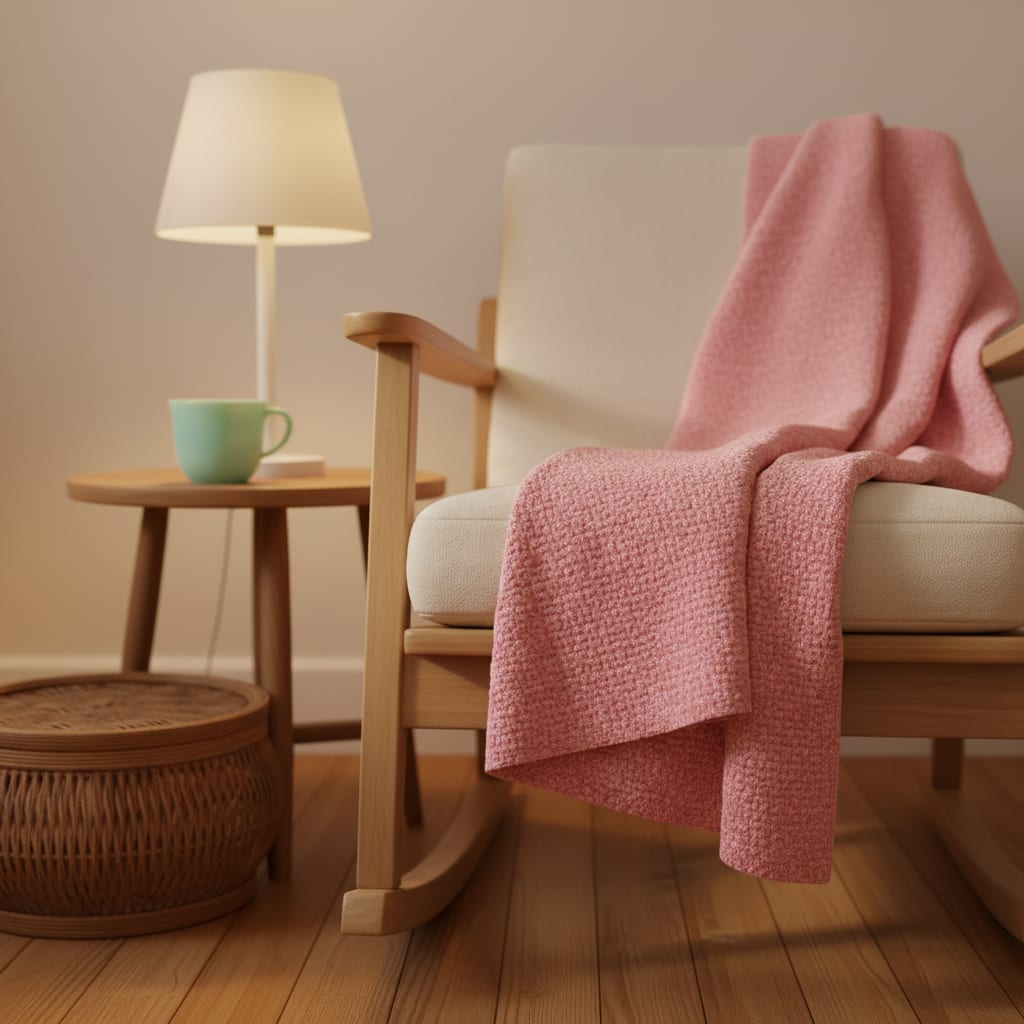
Passing a childhood favorite on works best when it slots into the bedtime routine you already have rather than becoming an event. Read it through to yourself first, because a book remembered at five can be longer, scarier or more dated than you recall. Air a musty old copy before it goes near a pillow, and if it is fragile, give a toddler a sturdy reading copy and keep the original for you to read from. Then read it in the same spot at the same point every night, and expect to be asked for it again. Rereading is how small children learn.
Why an old favorite earns a place at bedtime
The American Academy of Pediatrics’ parenting site, HealthyChildren, recommends setting aside 10 to 20 minutes with the TV off for sharing books with 2- and 3-year-olds “as part of your regular bedtime routine,” and 10 to 15 minutes for children of 18 to 23 months. It adds that regular bedtime routines started young “will help prevent future bedtime struggles.” The book is the anchor of the quiet part of the evening, and nothing says it has to be new.
A book you loved has two quiet advantages. You know where it slows down, which pages to linger on and where your voice should drop, because someone once read it that way to you. And you will read it with real enthusiasm, which is what that same page asks of parents: respond to a child’s questions and comments “with enthusiasm.”
Let them ask for it again
The book you loved will probably be requested night after night, and that is fine. Psychologist Jessica Horst’s team at the University of Sussex read storybooks to 3-year-olds over a week, with the same two new words in every book. One group heard three different stories carrying those words; the other heard just one of the stories. After a week, the children who had heard the same story repeatedly were much better at remembering the new words. “It’s not the number of books, but the repetition of each book that leads to greater learning,” Horst said.
HealthyChildren lists among the things 2- and 3-year-olds can do with books: “‘Correct’ you if you skip a word or page in a favorite book.” That is the moment an old book becomes theirs.
Read it to yourself first
Before the first bedtime reading, read the book alone, with the evening in mind rather than the memory:
- Length. Time a straight read-through. If it runs well past a toddler’s 10 to 15 minutes, save it for a weekend afternoon or read it a chapter a night.
- The exciting part. A chase, a storm or a lost parent was delicious at five in daylight. For a child who is wary of the dark, it may belong earlier in the day.
- Anything you would now say differently. Older books reflect their decade. Decide ahead of time whether you will change a word, talk about a page, or keep the book for when they are older. Deciding at 7:15 with a child on your lap is harder.
Getting an old copy ready for little hands
A book from a parent’s shelf or a grandparent’s attic often arrives dusty, musty and with a tired spine. The Library of Congress’s preservation FAQ covers the first two:
- Dust it. Its smoke-and-soot advice starts with removing surface dirt with “a clean, soft cosmetic brush.”
- Air it. It says musty odors decrease when items get air circulation in a cool space, rather than staying shut in a box. Stand a hardcover upright with its pages fanned open.
- Box it with baking soda. For a stubborn smell, the Library of Congress passes on the Northeast Document Conservation Center’s method: a closed container with baking soda or activated charcoal for several days, with the book kept from touching it. Check it often for mold. It is the same box from the pantry that does the rest of baking soda cleaning.
- Watch for mold. Furry or damp patches are active mold, not just age, and the Library of Congress has separate procedures for those. Don’t bring that copy into a bedroom.
Then decide who holds it. A fragile first edition and a 20-month-old who turns pages by grabbing are not a good match. Keep the original on a high shelf and read from it yourself, and give the toddler a sturdy copy. Many classics are still in print, and some come as board books; Goodnight Moon’s board book is the familiar example. The old copy waits until they are old enough to turn its pages carefully, which can become a small occasion of its own.
The good books lived on the top shelf of the hall bookcase and came down one at a time, read by a grown-up in the big chair, then went back up before lights out.
Same top shelf for the originals, read aloud by a grown-up. The sturdy reading copies live in the bedroom basket, and the two-book limit is set before the first page.
Where it goes in the evening
Treat the old favorite as one of the books in the quiet step, not as an extra on top. If bedtime has grown long, adding a special book makes it longer. Shortening a bedtime routine that’s too long works through trimming it back to four steps with a fixed end.
- Same place, same point. Read it in the same chair or the same spot on the bed, after pyjamas and teeth, so the book becomes a cue that the day is ending.
- Read slower and quieter than by day. Let your voice drop over the last pages, the same principle that makes lullabies work.
- Set the number before you start. “Two books, and this is one” heads off negotiation. Betteroo’s guide to when “one more book” turns into one more everything covers the requests that come after the last page.
- Then lights out, awake. HealthyChildren advises putting children to bed awake so they learn to fall asleep on their own.
If you want companions for your old favorite, Betteroo has a by-age list of books that tend to settle children, including several that may have been on your own shelf.
 The story's lovely. The bedtime's still a battle? Check the schedule.
Betteroo builds a sleep plan around your child's age, with naps, wake windows and bedtime that change as they grow, for about $20 a month.
Take the sleep quiz →
FAQ: reading your childhood books at bedtime
Is it okay to read the same book every night?
Yes. In the Sussex study, 3-year-olds who heard one story across a week remembered its new words better than those who heard three different stories. Rereading is how children learn a book.
How long should a bedtime story be?
HealthyChildren suggests 10 to 15 minutes of book sharing at 18 to 23 months and 10 to 20 minutes at 2 and 3 years, as part of the bedtime routine. A longer book can be read in parts.
How do you get a musty smell out of an old book?
Dust it with a soft brush, air it with its pages fanned in a cool, dry room, or seal it in a container with baking soda for several days without letting the two touch. Check it for mold as you go.
Should a toddler handle a fragile old book?
Better not. Keep the original for a grown-up to read aloud, and give a toddler a sturdy reading copy or board book until they can turn pages gently.
Sources loaded and read on 2026-10-27: HealthyChildren.org (AAP), book-sharing pages for 18 to 23 months and 2 to 3 years; University of Sussex news release on Horst, Parsons and Bryan, Frontiers in Psychology 2011; Library of Congress preservation FAQ.