Why the Bedtime Bath Winds Them Up (and the Fix)
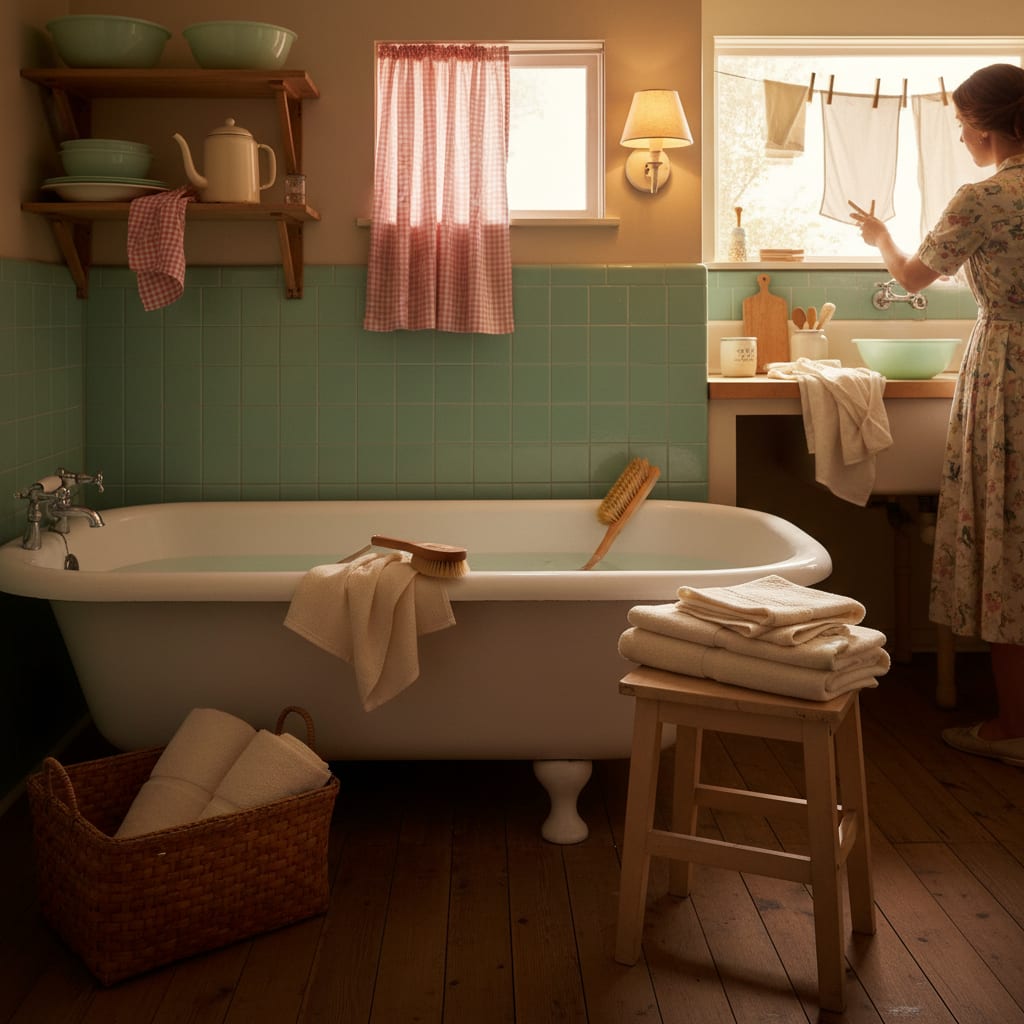
A bath that used to settle a child and now sends them up the walls is almost always a change in the ritual, not in the child. Three things drift: the bath moves later, the water gets hotter and the soak longer, and the bath slides to the end of the routine — so the last thing before the bedroom is a bright, splashy, sociable event. Warm water raises body temperature, and sleep arrives on the falling side of that curve. Move the bath earlier, keep it short, and put the quiet steps behind it.
What changed while nobody was watching
Ask when the bath stopped working and most people can name the month but not the cause. Nothing was decided; the ritual drifted, the way every unwritten routine drifts, and usually in four ways at once. Dinner ran later through the summer, so bath moved from a quarter to seven to half past. The soak got longer because it was the one part of the evening a tired adult could sit down for. Toys accumulated until the tub held a small marina. And the child got older: at eighteen months a bath happens to you, and at three it is a place where you have opinions, a company of ducks and a firm position on hair-washing.
Age cuts the other way too. Between two and five, most children hit a stretch where a settled bedtime falls apart for a few weeks for reasons unrelated to the wind-down — the churn behind the sleep regression that lands in the preschool years will make an unchanged routine look broken. Ask whether the bath is the problem or just the loudest part of the evening.
The temperature curve does most of the work
A warm bath raises body temperature while a child is in the water. Afterwards, in ordinary room air, it falls — and that falling stretch is part of what the body reads as a signal to sleep. A bath followed immediately by the bedroom door is cashed in at the wrong moment: you have handed over the rise and skipped the fall.
So: comfortably warm rather than hot — if the bath is steaming the mirror it is hotter than a small child needs. Five to ten minutes of washing is plenty on a school night. And leave a gap: aim to finish roughly twenty to thirty minutes before lights out, with the quiet part of the routine filling it. The same logic explains why a hot bedroom undoes a good bath, which is worth remembering in the weeks when the house won’t cool down at night.
Move the bath earlier in the order
A wind-down has a body step, a clothes step, a quiet step and a leaving step, in that order. The bath is the body step, and it belongs first.
What goes wrong is that the bath creeps into the quiet slot — bath, pyjamas, door — leaving the routine with no descending part at all. Rebuild it so the calm comes last: bath, dry and dressed, then two books or a song in a dim room, then the same few words and out. It is the same audit as trimming a bedtime routine that got too long — write down what actually happens for three nights, then rebuild deliberately.
Fix the clock times too, on a card whoever is doing bedtime can read. A routine only one adult can run collapses on the first Thursday.
When the tub turned into a playroom
If the evening bath now runs twenty-five minutes and ends in a negotiation about getting out, that is not a wind-down. It is a water park with a bedtime attached, and the child is right to be excited.
The fix is a split, not a ban. Long play baths move to a time of day when a wound-up child costs you nothing — Saturday morning, or after lunch on a rainy afternoon. The evening bath stays functional: wash, rinse, out. Take the fleet down to two toys in a draining basket; a tub with two toys is one nobody argues about, and it dries between uses instead of growing a pink ring.
Pull the plug while they are still sitting there. The tub emptying announces the end for you, and takes the decision out of the conversation.
Light is the step everyone forgets
Most bathrooms are lit like a place where somebody might need to find a splinter: bright, cool, overhead, unshaded. A child walks out of that into a dark bedroom and is expected to be sleepy.
So turn the bathroom light down. With no dimmer, a small plug-in lamp in the corner and the main light off is enough for washing a two-year-old, and it changes the temperature of the whole event. Keep the hallway low too, so the walk to bed is not a second sunrise.
The bedroom should already be dim when they arrive. A warm-toned light you can set low — a bedside sound machine and light like the Hatch Baby does both jobs from one plug — beats an overhead bulb switched off at the last second. Music works on the same principle: the songs that actually settle a child hold the tempo down rather than drown out the house.
The bath card in my grandmother's tin says Saturday, in the kitchen, before supper — weekly, early, in the warmest room of the house. Nightly baths for small children arrived with modern plumbing; they are not a rule handed down.
We bathe more often, because our children find more mud. But the timing is hers: early, short, and never the last thing before the bedroom door.
Nights to skip it entirely
Small children do not need a bath every night, and treating one as compulsory is what turns it into a battleground. A warm washcloth at the sink covers a normal Tuesday; save the tub for the days that earned it.
If the bath has clearly become the flashpoint, run a week without it: wash at the sink, keep every other step identical, and see what the evening does. That is long enough to tell you something and short enough that nobody has committed to anything.
Check the other end of the day before you blame the bath at all. A child bouncing at bath time is sometimes not tired yet — bedtime crept earlier, or the nap ran long, and the wind-down is being asked to do a job awake time should have done. That is usually the problem hiding underneath a toddler who won’t stay asleep through the night. A wind-down cannot manufacture sleep pressure; it can only stop getting in the way of it.

Give whatever you settle on two weeks before judging it: a habit takes longer to bed in than one good night takes to appear. And once bedtime holds its shape, the twenty minutes downstairs afterwards belong to you again — the whole point of an evening reset that starts at a known hour.
FAQ: the bath that stopped settling them
Should I stop the bedtime bath if it winds my toddler up?
Not permanently, and not as a first move. Try it earlier, shorter and in dimmer light for a week. If it is still the flashpoint, drop it for a week — wash at the sink, keep everything else identical — and bring it back earlier in the evening once bedtime has steadied.
How long before bed should a bath be?
Roughly twenty to thirty minutes, with the quiet steps filling the gap. That is what lets body temperature come back down, which is the part of the bath that actually helps sleep. Bath-straight-to-bed skips it.
Is a cool bath better for winding down?
No. Cool water is stimulating and can leave a child rebounding warmer rather than cooler. Comfortably warm water and a normal room afterwards do the work — the drop happens in the air, not in the tub.
Why did the bath settle my baby and not my toddler?
Mostly because the child changed. A baby is bathed; a toddler participates, negotiates and plays, and everything that makes bath time fun at three is what makes it a poor final step before sleep. Same ritual, different position in the running order.
Next cards in the file
Nursery Organization: Set Up for the 2am You
July 17, 2026
Free Printable Cleaning Schedule (Daily to Seasonal)
July 17, 2026
Rewiring or Replumbing? Bedtime Around the Works
September 19, 2026