Furnace Replacement Week: How to Protect Bedtime
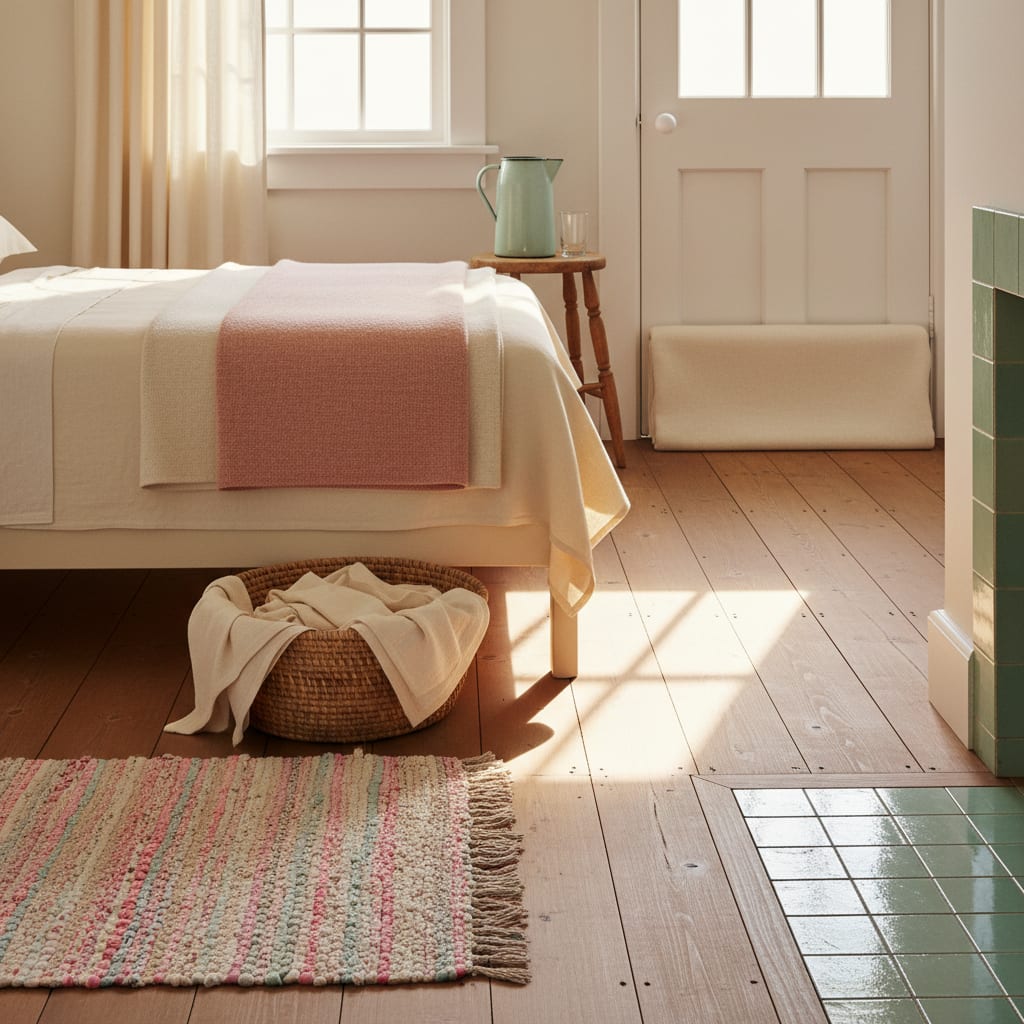
Book the whole job as one block, decide where everyone is sleeping before the crew arrives, and keep the running order identical even though the address inside the house has changed. A heating replacement is two to four cold days, not a season, so the plan is to warm the rooms people actually sleep in, dress the beds for the temperature rather than chasing it with a plug-in heater at 2am, and work around the missing hot water instead of trying to restore it. Everything else in the evening stays where it was.
Book it as one block, not four visits
A job spread over two weekends and a Wednesday is four disruptions to a child’s evening; the same job done Thursday to Sunday is one. Ask the installer three questions when you book, and write the answers down.
- Which days is the heat actually off? Usually fewer than the days they are in the house: the old unit comes out on day one and the new one is often firing by the end of day two.
- Which days is the hot water off? Frequently a different and longer window, especially if a cylinder or tank is going too. Nobody volunteers this. Ask.
- Do they need access to the bedrooms? Radiators and thermostat wiring say yes more often than people expect, and finding out on the morning is how a nap gets cancelled.
Batch everything else that wants doing while the house is upside down anyway — the same logic as batching a room repaint into one weekend block: the room is lost once, not three times.
Pick one warm room and consolidate into it
A house without heating cools from the outside in, so choose the room you will defend: interior rather than gable-end, fewest exterior walls, not over an unheated crawl space, curtains that close.
Then move people toward it instead of holding the whole floor plan: two children in one room for four nights beats two cold rooms, and a floor mattress beside a sibling’s bed beats camping in with the adults. Whether you consolidate or decamp to a relative’s, the rule is the same — keep the routine identical, change only the address. If it has been quietly stretching for months, do not fix that this week too — that audit is trimming a bedtime routine that got too long.
Warming a room without adding a hazard
The U.S. Fire Administration reports heating as the second leading cause of home fires in 2021: an estimated 32,200 home heating fires, 190 deaths and 625 injuries. The figure that should change your behaviour: home portable heater fires were only 3% of all home heating fires annually for 2017–2019, “but they accounted for 41% of fatal heating fires in homes.”
So the rule is not “don’t use a space heater.” It is that the heater warms the room before bedtime and is off before anyone sleeps in it. USFA says to “keep anything that can burn at least 3 feet from all heat sources” and to “turn space heaters off when leaving the room or going to bed.” Run it during the bath and turn it off as you turn the bed down.
Three things never enter the plan, all from the EPA’s carbon monoxide factsheet: don’t use a gas oven to heat your home, “even for a short time”; never a charcoal grill indoors, including in a fireplace; and “DON’T sleep in any room with an unvented gas or kerosene space heater.”
Carbon monoxide earns its own paragraph this week. The EPA lists back-drafting from furnaces and gas water heaters, and “worn or poorly adjusted and maintained combustion devices (e.g., boilers, furnaces) if the flue is improperly sized, blocked or disconnected,” among household sources — which describes an appliance mid-changeover. It is odourless and colourless, and the tell is that its headaches, dizziness and nausea are “flu-like symptoms that clear up after leaving home.”
An alarm is a backup, not a substitute for correct installation — the EPA says buying one should not “lull you into a false sense of security,” and to look for UL certification. A plug-in with a readout, like the First Alert CO615, shows current and peak levels rather than only screaming. If it sounds and anyone has symptoms, the instruction is blunt: fresh air, open the doors and windows, turn off combustion appliances, leave the house, emergency room.
What a cold bedroom actually needs at lights-out
The instinct is to add heat. The better move is the bed and the layers, because a bed holds warmth all night and a heater does not.
The NHS puts a baby’s room between 16C and 20C — roughly 61–68F — monitored with a room thermometer, not by hand. That is cooler than most people guess: a house at 17C on the second morning of a boiler swap is chilly for the adults and squarely inside the range for the child. The trap in a cold week is the opposite one. The same guidance notes that babies overheat “because of too much bedding or clothing,” says to remove hats and extra layers as soon as you come indoors, and to check by feeling the chest or the back of the neck. Cold hands are not evidence.
What works, in order:
- Layers, not one thick blanket. Two thin plain-woven wool blankets can be adjusted at 11pm; a duvet cannot.
- A sleeping bag for the child who kicks everything off, so the warmth stays attached to the child rather than the floor. Betteroo’s rundown of sleeping bags that hold up past toddlerhood checks togs against room temperature.
- Warm the bed, not the room. A hot water bottle put in half an hour early and taken out before the child gets in beats an hour of hot air blown at the ceiling.
- Nothing extra in the cot. A cold week is not a reason to change what goes in a baby’s bed; what a safe sleep setup requires has not moved because your boiler is in pieces.
The inverse of a July problem, in other words — the same three inputs pointed the other way, worked from the hot end in sleeping through a heatwave with no air conditioning.

Getting through the days with no hot water
Boil and carry. A kettle and a basin cover a top-and-tail wash, hair in the sink and the washing up. Fill with cold first and bring it up with hot, never the other way round.
Swap the bath for a wash, but keep its slot. The bath is the body step in a bedtime routine, not the quiet one, so cutting it leaves the wind-down without its hinge. Two minutes of warm flannel at the basin holds the shape of the evening.
Check whether wash day is affected at all. Many machines take a cold fill and heat their own water, so laundry runs normally; some are plumbed to the household hot supply, so everything goes cold for four days. Look before you assume — and if you are running cold, sorting matters more than usual, which is the order laundry actually wants to be done in.
The card for the week
- Heat off: which days. Hot water off: which days.
- Warm room: which one, and who sleeps in it.
- Heater on at bath time, off at lights-out.
- Thermometer in the child’s room; layers adjusted at the 11pm check.
- Kettle and basin on the counter from Wednesday night.
- Same routine, same order, different room.
Six lines survive a Tuesday; a vague intention to keep an eye on things does not.
FAQ: heating work with small children in the house
How cold is too cold for a baby’s room? The NHS range is about 16–20C, monitored with a thermometer. Below it, add layers and a sleeping bag rather than a heat source; if you cannot hold the room in range, sleep somewhere you can.
Do we need a carbon monoxide alarm just for a few days of work? You want one anyway, and this is the week it is least theoretical: a part-installed appliance and a disturbed flue are exactly the conditions the EPA describes.
Will this wreck the sleep we spent months building? Rarely, if the routine survives it — children tolerate a changed room far better than a changed running order. Put everything back the moment the heat is on, and judge it over the following fortnight rather than the first Sunday.